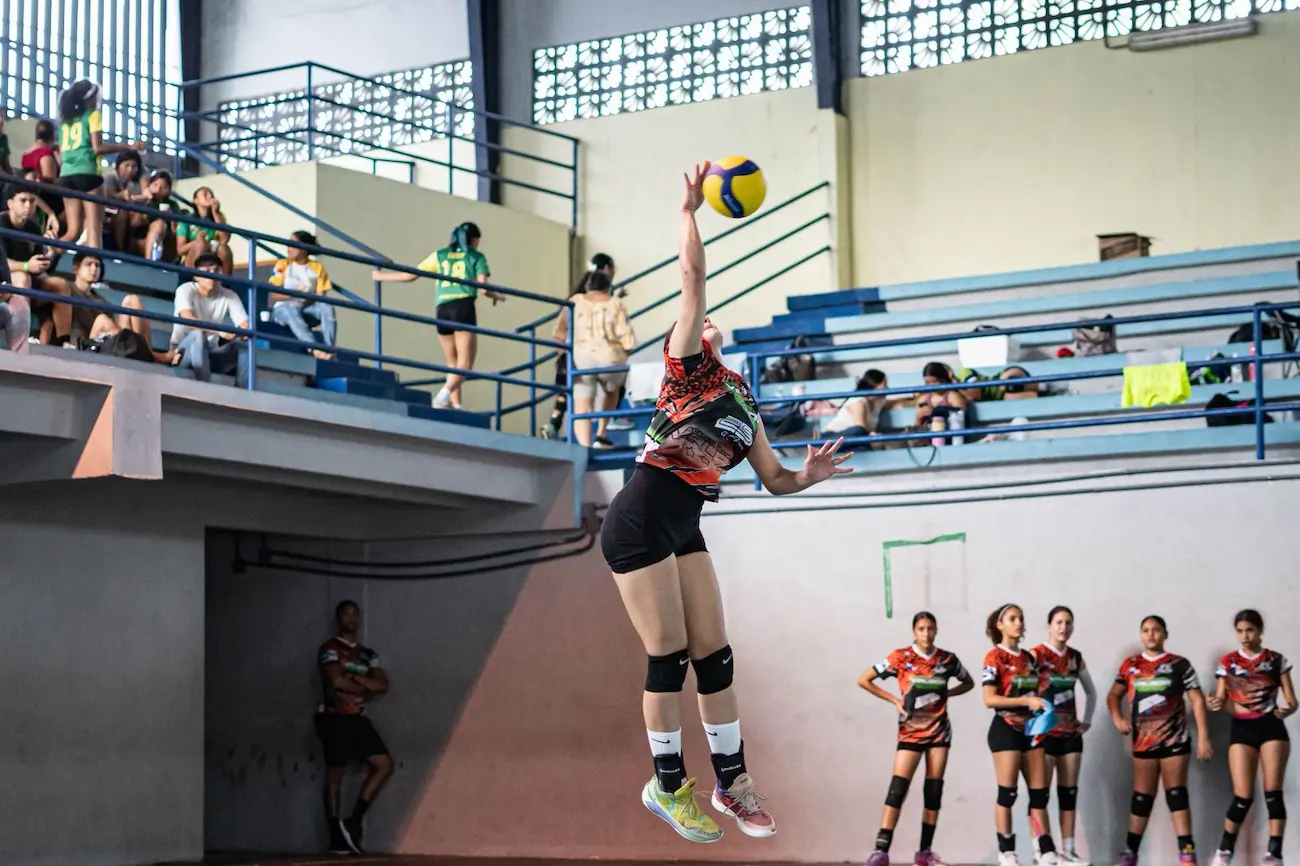
NIL for international athletes became the most confusing topic of the summer 2026 college sports offseason. Since the House v. NCAA settlement was approved, schools can now pay athletes directly starting with the 2026-27 season, a historic shift in US college athletics. But if you or your child already have, or are about to earn, a sports scholarship in the USA on an F-1 visa, the question that actually matters is different: does that money reach international athletes too, or does the visa block it? The short answer is that the F-1 visa still severely limits this possibility, and this article breaks down exactly why, what options exist, and what to watch for before signing anything.
What NCAA revenue sharing is and why it changes everything in 2026-27
For years, NIL (Name, Image and Likeness) allowed college athletes to earn money through sponsorships, social media content, and public appearances, but always through third parties, never directly from the university. That changed with the House v. NCAA settlement, which authorizes institutions to share revenue directly with their athletes starting with the 2026-27 season.
It's, without exaggeration, the biggest compensation shift in recent US college sports history. Each school sets its own revenue-sharing budget, and programs are already adjusting their recruiting strategies around this new payment structure.
For a US athlete, this opens a massive door. For an international athlete on an F-1 visa, that door is far more narrowly open than it appears at first glance.
Why the F-1 visa complicates NIL for international athletes
The F-1 visa, the same one you need to study and compete in the USA on your athletic scholarship, carries a key condition: it restricts any activity considered employment or active income outside of authorized limits. If you've read our guide on the F-1 visa for sports scholarships, you know you can work on campus up to 20 hours a week during the semester, but that's the extent of what the visa treats as "authorized work."
The problem is that, according to sports immigration specialists, most NIL deals — sponsored content, paid appearances, paid autograph signings, brand contracts — fall under the definition of "employment" or "self-employment" under US immigration law. That puts international athletes in a delicate position: accepting an NIL deal without the correct authorization can put their entire immigration status at risk, not just the payment itself.
This isn't a marginal issue. According to NCAA data cited by sports immigration firms, over 60% of Division I tennis athletes are international, along with more than 30% in ice hockey and soccer. With roughly 25,000 international athletes competing across the NCAA, most on F-1 visas, this affects a massive part of the college sports ecosystem, not just isolated cases.
While your American teammates can sign sponsorship deals, create paid social media content, and now receive direct payments from the university, an athlete on an F-1 visa faces a web of immigration restrictions that can jeopardize their status if not handled carefully.
What legal options exist for an international athlete who wants NIL income
Not everything is closed off, but the available paths come with demanding requirements:
| Path | What it allows | How accessible it is |
|---|---|---|
| F-1 visa (used by most scholarship athletes) | Limited on-campus work, NIL essentially restricted | Standard for nearly every international student-athlete |
| P-1A visa | More flexibility to compete, train, and hold sponsorships | Requires documented international recognition, hard for an athlete just starting out |
| O-1A visa | Extraordinary ability status; allows sport-related activities with more freedom | Just as demanding as P-1A; uncommon at the early college stage |
| Carefully structured contracts through the school | Some deals, designed properly with university compliance, can stay within F-1 limits | Case-by-case; requires legal review before signing |
For the vast majority of Latin American athletes arriving on a scholarship and an F-1 visa, the realistic path isn't switching visas — it's being extremely careful about what you sign and when, always with your school's DSO backing you up.
What this actually means for your athletic scholarship
This is where many families get confused, so it's worth being direct: your athletic scholarship and NIL are two completely separate things.
- Your scholarship (partial or full) keeps working exactly as before. If you want a clear breakdown of what each type covers, check our guide on partial vs. full scholarships.
- Revenue sharing and NIL are an additional layer of compensation, separate from the scholarship, and that's where the F-1 visa creates limits.
- Not signing NIL deals doesn't affect your athletic eligibility or your status as a scholarship student-athlete.
- If your scholarship situation changes due to injury or performance, that's unrelated to NIL — it's a separate process we cover in our F-1 visa guide.
In other words: if you're a Latin American athlete with a scholarship on the way, NCAA revenue sharing is an interesting story to follow, but it shouldn't be the deciding factor in whether pursuing a US sports scholarship is worth it.
What this looks like in practice
Picture a Dominican soccer player on a full scholarship at a Division I program. Her team starts receiving revenue-sharing payments this year, and a local sportswear brand offers to pay her for sponsored content on Instagram. On paper, it looks simple: it's her account, her image, her call.
In practice, that paid post can be classified as compensated activity outside the work authorized by her F-1 visa. If she signs without routing the deal through her university's compliance office and without checking with her DSO, she could end up putting her immigration status at risk over a contract that, in dollar terms, was probably worth far less than her full scholarship.
This is exactly the kind of situation we try to prevent: a decision that looks small ending up costing something much bigger.
Checklist: before you sign any NIL deal
If you're offered a sponsorship, paid content deal, or any form of compensation tied to your image as an athlete, check this before signing anything:
- Talk to your DSO first. They're responsible for your immigration status and should be the first to know an offer exists.
- Route the deal through your university's compliance office. Most NCAA programs have a formal review process for NIL deals for exactly this reason.
- Ask specifically whether the payment counts as "employment" under your visa. Don't assume that because it's "just" a social media post or a photo, it doesn't count as active income.
- Understand the tax implications. Income earned by a nonresident alien in the US is typically subject to specific withholding and reporting requirements (Form 1042-S), regardless of whether the payment comes from a brand or directly from the school. Talk to an accountant familiar with international students.
- Keep everything in writing. Emails, contracts, compliance approvals. If anything gets questioned later, documentation is your best protection.
Common myths and mistakes about NIL and the F-1 visa
- "All NCAA athletes are already earning NIL money." False. The vast majority of international athletes remain outside this market due to visa restrictions.
- "If I have an athletic scholarship, I can sign any sponsorship deal without issue." False. Your scholarship doesn't automatically grant permission to receive active income outside your visa's terms.
- "Signing an NIL contract carries no real risk." False. A poorly structured deal can jeopardize your entire immigration status, not just the payment in question.
- "Since this is new, nobody is enforcing it yet." Risky assumption. Schools have compliance offices specifically to review these kinds of deals, and your DSO is responsible for your immigration status.
- "If other athletes on my team signed something similar, I can too." Every case depends on country of origin, visa type, the specific contract, and the school. There's no universal rule.
How New Vision Sports helps you navigate this new landscape
The compensation landscape in college sports is changing faster than most Latin American families can track on their own. At New Vision Sports, we build this context into our ongoing support:
- We explain clearly what to expect from your scholarship against this new revenue-sharing structure.
- We help you identify when a sponsorship deal needs legal review before you sign it.
- We connect you with your university's compliance resources and, when needed, specialized immigration guidance.
- We track NCAA rule changes that directly affect Latin American athletes, like the ones we cover in our guide on the NCAA's new eligibility rules.
If you have questions about how this shift affects your process or your child's, reach out to us directly or start your free evaluation here. At New Vision Sports, we help you understand the full picture, not just the athletic side.