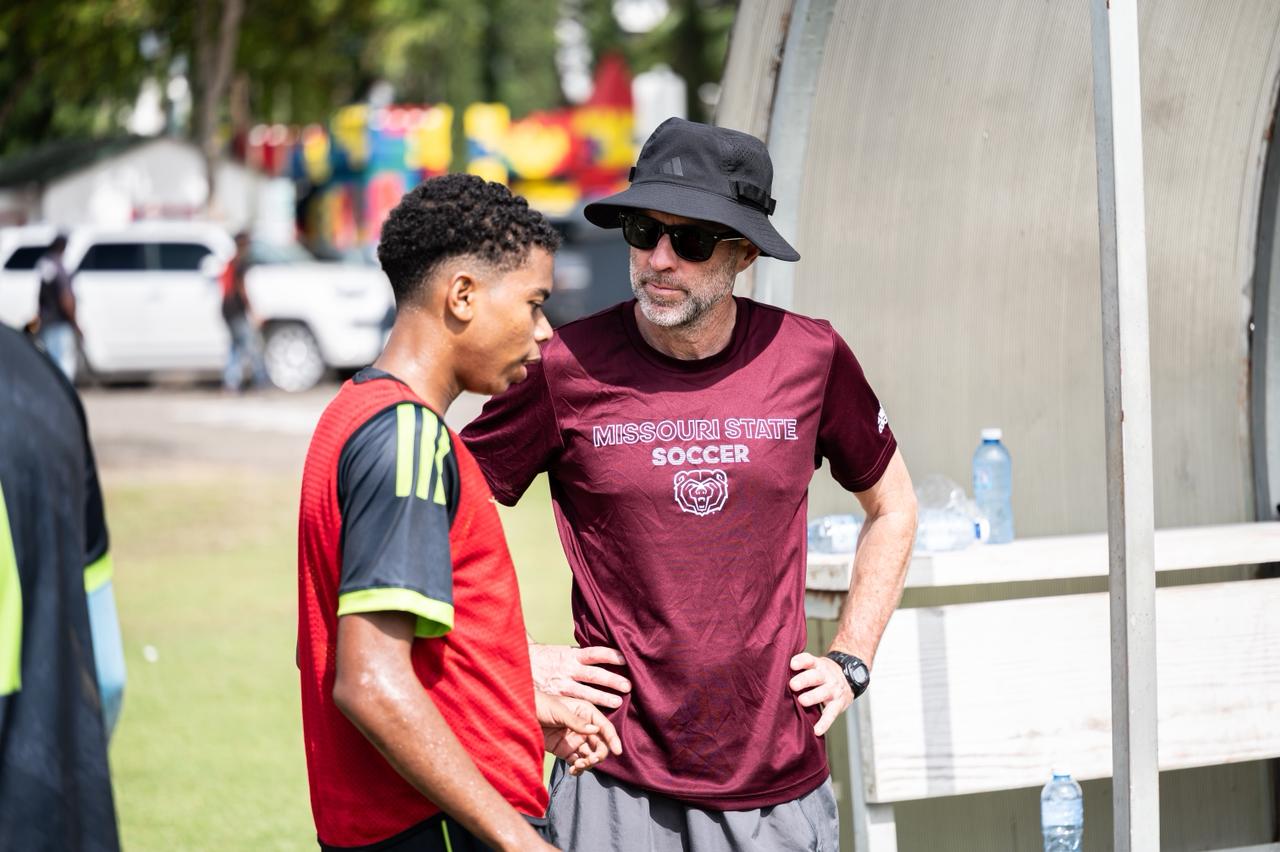
Talent gets you in the conversation. Relationships get you in the program. This is one of the truths that separates athletes who earn NCAA sports scholarships from those who spend years trying and never land one. The American college recruiting system is built on connections — and most international athletes enter it without any.
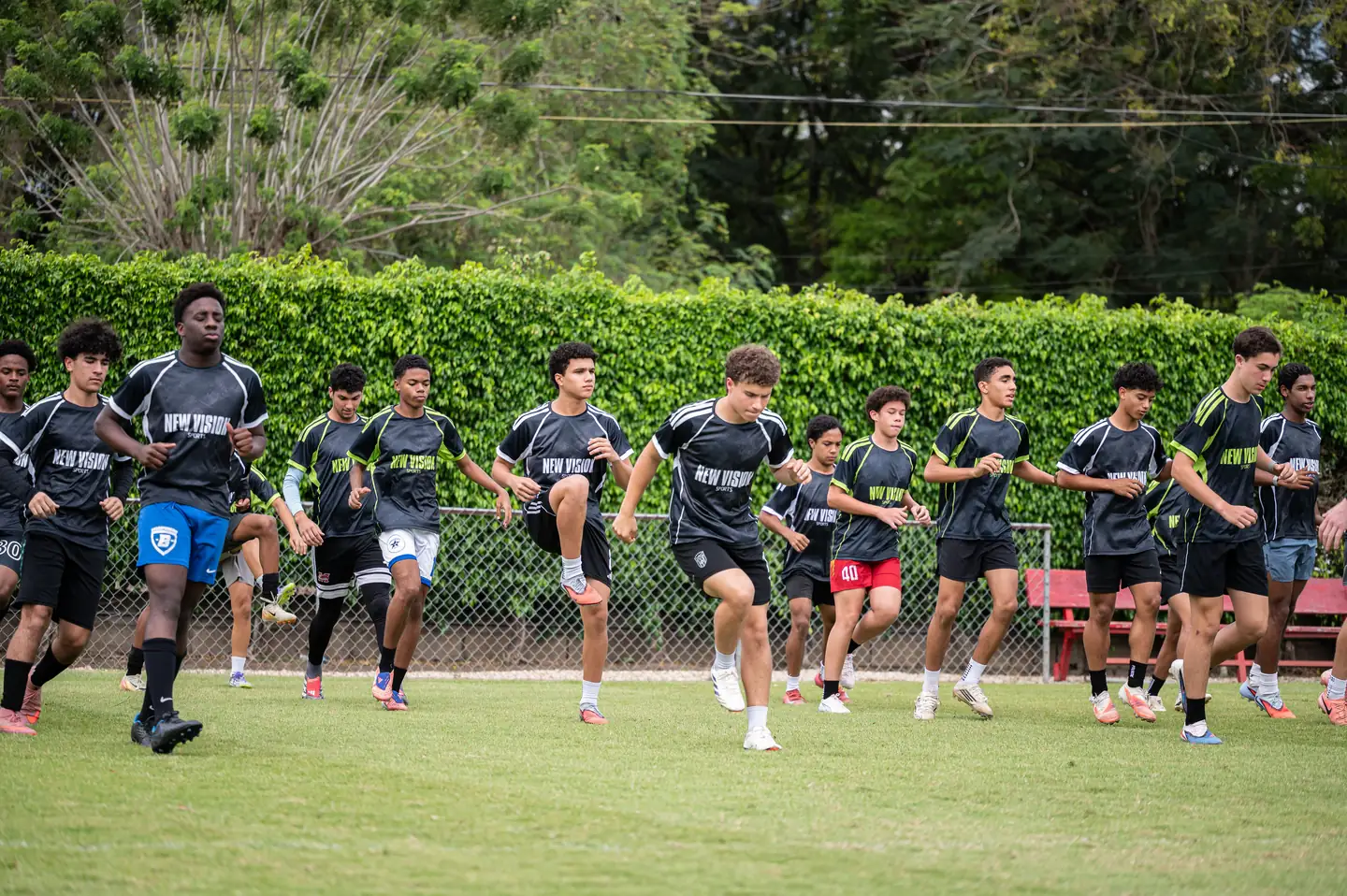
At New Vision Sports, we've spent years building exactly those connections. This article explains why they matter, how they work in practice, and what it means for an athlete when their agency has a direct line to coaches at programs like Missouri State University.
Why Coach Connections Change Everything in NCAA Recruiting
Every year, thousands of talented athletes from Latin America, Central America, and Europe try to break into the American college system on their own. They build highlight videos, fill out recruiting questionnaires, send emails that go unanswered, and spend months navigating a process they don't fully understand.
The problem isn't their athletic level. The problem is visibility and credibility. A coach at a Division I program receives hundreds of inquiries each recruiting cycle. Most get filtered out before they're ever seriously evaluated. What cuts through that noise isn't just a great video — it's a trusted source vouching for the athlete on the other end.
When a coach knows and respects an agency, an introduction from that agency carries weight. It's the difference between an email in a pile and a phone call that gets returned.
This is why the connections we build with coaches across the USA are not a side benefit of what we do at New Vision Sports — they are the core of our value to every athlete we work with.
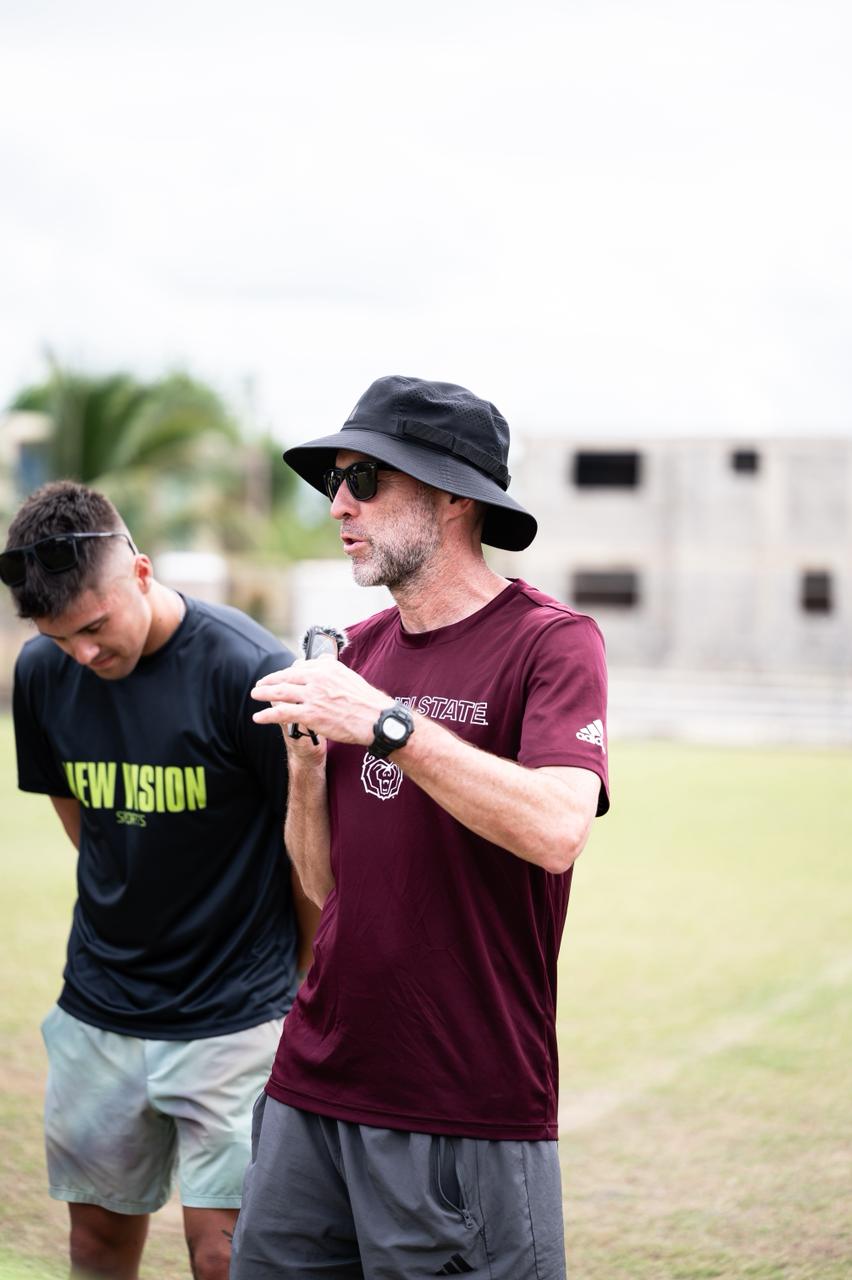
Coach Michael Seabolt: A Reference Point in NCAA Division I Soccer
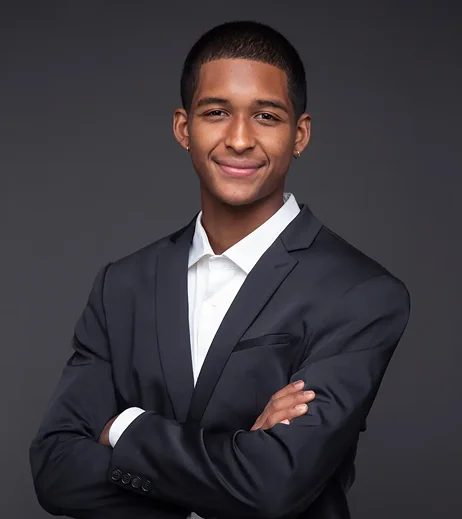
One of the relationships we are proud to highlight is our ongoing connection with Michael Seabolt, Head Coach of the Missouri State University soccer program.
Coach Seabolt is one of the most respected figures in college soccer at the Division I level. Under his leadership, Missouri State has built a competitive program within the Missouri Valley Conference — achieving multiple conference titles, consistent NCAA tournament appearances, and producing players who have continued their careers professionally. His ability to identify international talent and develop athletes for the next level has made him a recognized voice in the recruiting world.
For us, that reputation matters precisely because it's earned. When we sit down with Coach Seabolt to talk about our athletes, we're not making a cold pitch — we're having a professional conversation between people who understand each other's standards. He knows what New Vision Sports looks for in an athlete. We know what Missouri State looks for in a recruit.
That alignment is built over time, not manufactured in a meeting.
What a Division I Program Like Missouri State Actually Looks For
One of the most practical benefits of maintaining relationships with coaches like Seabolt is the intelligence it gives us. Not intelligence in a vague sense — specific, current, program-level knowledge about what Division I coaches are evaluating when they look at an international recruit.
Here is what coaches at this level consistently communicate:
Athletic profile is necessary but not sufficient. A player who can compete at NCAA Division I level must demonstrate it through footage, competition level, and measurable athletic markers. But that gets you to the starting line — it doesn't get you a scholarship offer.
Academic eligibility is non-negotiable. Programs cannot recruit a student-athlete who doesn't meet NCAA Eligibility Center requirements. Coaches lose interest fast when an athlete's GPA, course history, or English documentation isn't in order. Understanding this before you begin the process — not after — saves everyone time.
Character and coachability matter as much as talent. Division I programs are investing significant resources in each scholarship athlete. Coaches evaluate attitude, communication, how an athlete responds to correction, and whether they'll fit within a team culture. These things come through in how an agency presents an athlete and how the athlete handles their own recruitment.
Timing is real. Coaches recruit on specific cycles tied to graduation years and roster needs. An athlete with a great profile who contacts a program at the wrong time may simply not fit the current need. Knowing when to approach a program — and with what — requires inside knowledge of how those cycles work.
This is knowledge we apply directly to how we prepare and present each athlete we work with.
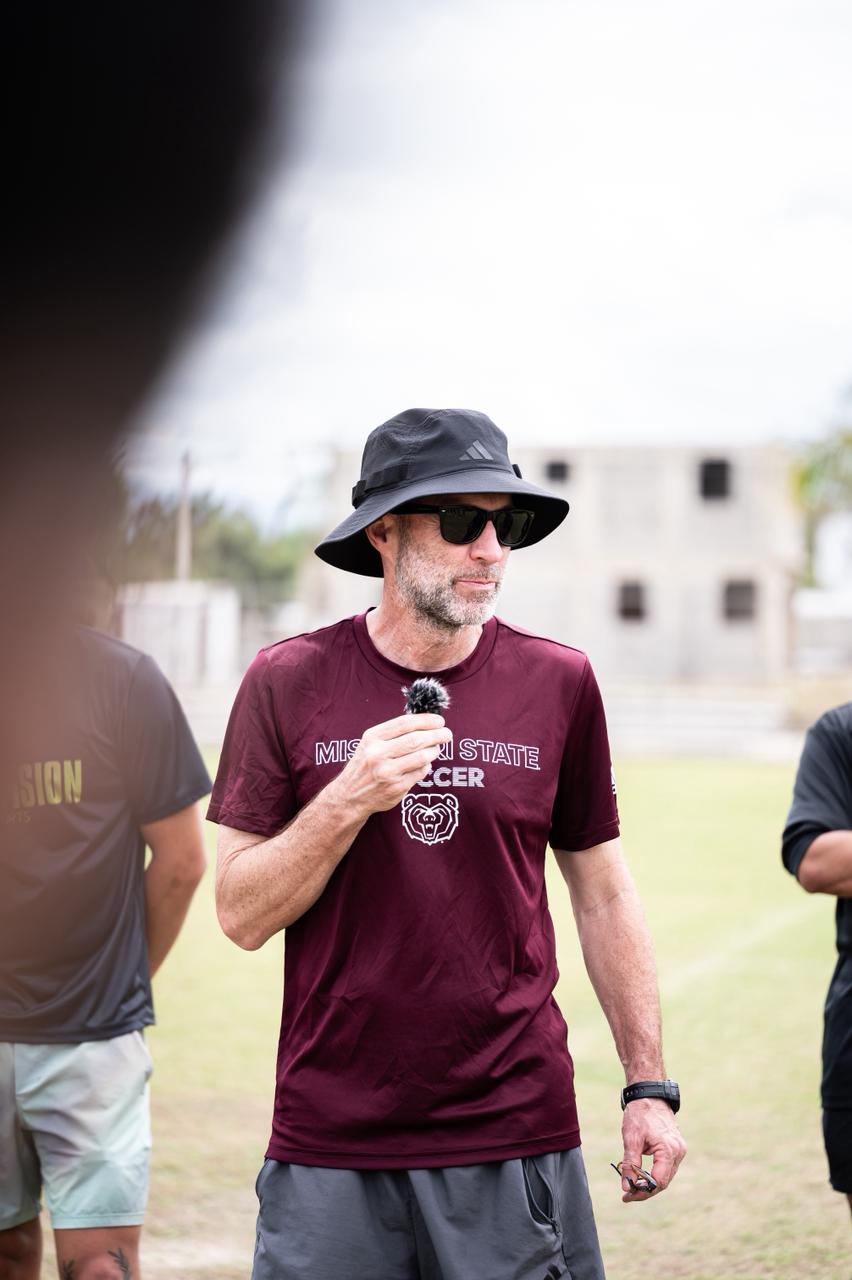
How New Vision Sports Uses These Connections in Practice
A direct relationship with a coach like Michael Seabolt is not something we hold up as a trophy. It's a working tool that benefits our athletes in concrete ways.
Program fit assessment. Before we ever approach a coach about one of our athletes, we evaluate whether there's a genuine match — athletically, academically, and in terms of roster timing. We don't waste a coach's time or an athlete's expectation on a pitch that doesn't make sense. That discipline is what makes the relationship worth maintaining.
Introduction credibility. When we introduce an athlete to a program we have an existing relationship with, that introduction bypasses the filtering that happens with cold outreach. The coach already trusts our judgment enough to give the evaluation a real look.
Recruiting intelligence for every athlete. Even when an athlete isn't a fit for Missouri State specifically, what we learn from conversations with coaches at that level informs how we position all our athletes. What are programs looking for right now? Which positions have openings? What academic profiles are programs willing to work with? This information shapes our strategy.
Preparation standards. Our athletes go through the same evaluation framework that Division I coaches use. That means their highlight video, their academic documentation, and their personal presentation are already at the standard that serious programs expect by the time they reach a coach's desk.
This is what it means to have institutional knowledge of the American college system — not just information from websites, but real experience from real relationships.
What the Recruiting Process Looks Like From the Inside
Most athletes imagine the recruiting process as a funnel: you apply, you get evaluated, you get offered. The reality is more like a network: the more nodes you have in it, the more paths exist for an offer to find you.
At the Division I level, many scholarship decisions happen before formal offers are ever extended. A coach develops a list of prospects based on trusted referrals, internal scouting, and camps or tournaments. Formal outreach follows a decision that's already been made in large part by the time the athlete gets an email.
Understanding this changes how you prepare. It means your profile needs to be ready before a coach ever asks for it. It means the people in your corner need to be known to the people who matter. And it means the process of building your reputation within the recruiting world starts well before you're ready to commit.
If you want to understand the full path to earning a sports scholarship in the USA, or the specific differences between NCAA and NAIA programs, those guides give you the framework. What we're describing here is the layer of human connection that sits on top of that framework and determines outcomes.
What You Can Do Right Now
Whether you're working with New Vision Sports or beginning to build your own recruiting strategy, there are things you can act on today:
- Get your academic profile in order. Know your GPA, your graduation year, your standardized test scores, and your English level. These are prerequisites, not afterthoughts.
- Build a professional highlight video. Five to eight minutes of your best footage, clearly filmed, with your key stats in the first frame. This is what coaches evaluate first.
- Research programs before you contact them. Coaches know when someone has done their homework and when they haven't. Target programs that make sense for your level and fit.
- Understand the timeline. NCAA Division I rules govern when coaches can contact you, but they never govern when you can contact coaches. Start early.
- Consider the value of professional support. The athletes who successfully navigate the American recruiting system rarely do it alone. An agency that has relationships with coaches across the USA is not a luxury — it's the fastest path through a complex process.
The Competitive Advantage No Algorithm Can Replicate
Technology has made it easier than ever to research college programs, build a highlight reel, and send a mass email to two hundred coaches. It's also made all of those things worth less than they used to be, because everyone can do them.
What technology cannot replicate is trust. The relationship New Vision Sports has with coaches like Michael Seabolt at Missouri State — and with coaches at programs across every division of the NCAA and NAIA — took years to build through consistent professionalism, honest athlete evaluation, and mutual respect.
That is the competitive advantage that exists on the other side of working with us. Not a contact list, not a template, not a database — a network of people who trust our judgment enough to take our athletes seriously from the first conversation.
If you're ready to find out where you stand and what your best path to a scholarship looks like, schedule a free evaluation with our team. Let's talk about your profile, your goals, and the programs where you could genuinely compete.