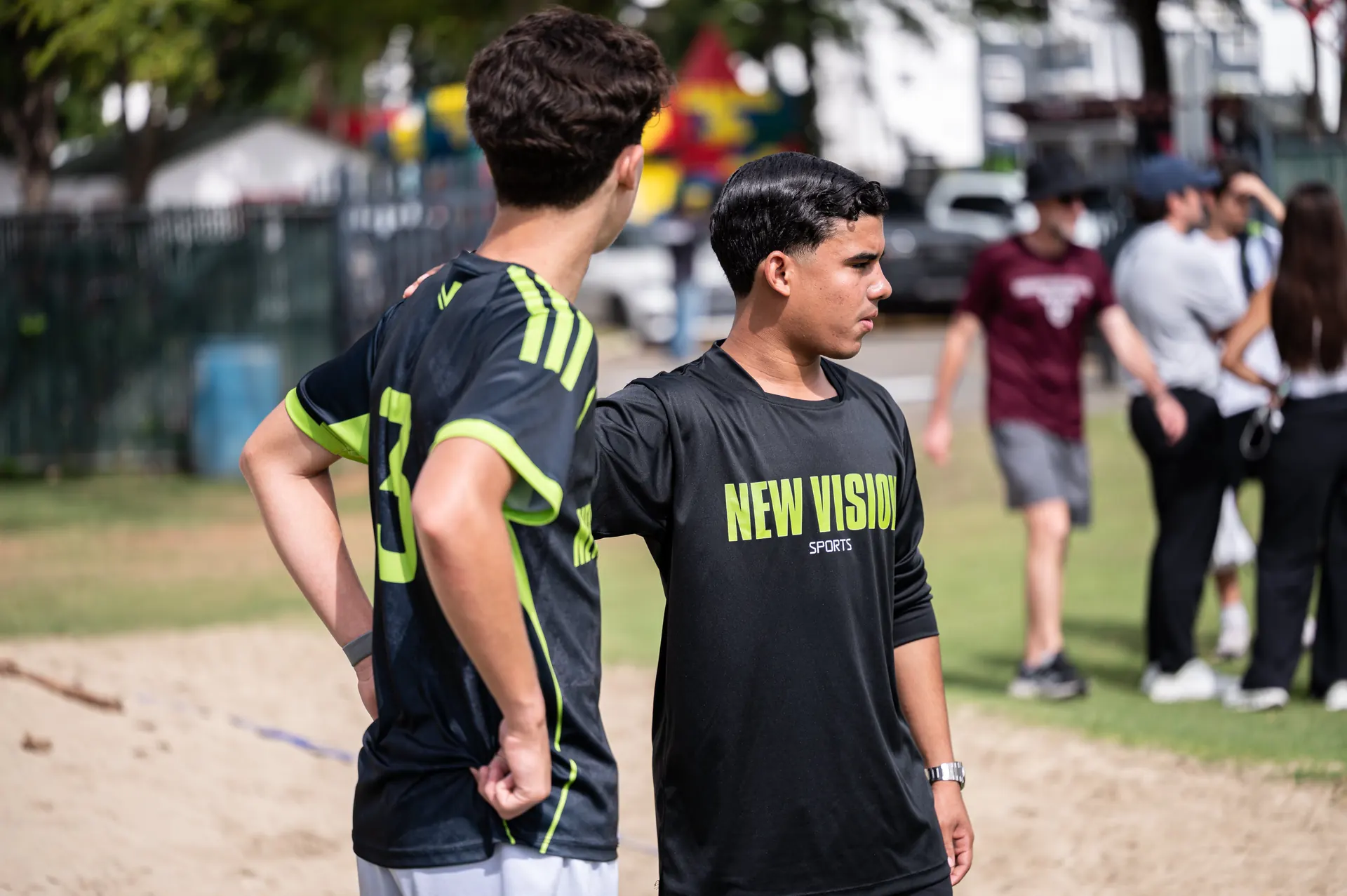
The 2026 college soccer season in the United States is not just a competition calendar — it is the map that defines when coaches are watching, when recruiting decisions get made, and when a Latin American athlete has a real window to appear on a program's radar. If you don't understand how this season works, you're recruiting blind.
This article breaks down the full 2026 season calendar, the real differences between Division 1, Division 2, Division 3, and the NAIA in soccer, and what you should be doing right now if your goal is an athletic scholarship at a US university.
The Dual Season: The Change That Transformed College Soccer
For years, college soccer in the USA followed a simple structure: a fall season (August through November) and a spring practice period with no official competition. That changed.
The NCAA approved a dual-season model with official spring competition, meaning college teams now play real games in both fall and spring. You can read more about that rule change in our article on how the NCAA approved the fall and spring college soccer season.
What this means for athletes seeking scholarships:
- Coaches have more opportunities to see prospects in action throughout the year
- Programs can give playing time to newly enrolled athletes in spring before the competitive fall season begins
- The recruiting process no longer has a single annual window: there are two
2026 College Soccer Season Calendar

Spring Season 2026
| Period | Activity |
|---|---|
| February – May 2026 | Spring competition games (limited per division rules) |
| March – April 2026 | Active window for campus recruiting visits |
| May 2026 | Spring season closes, final prospect evaluations |
This season is currently ongoing or just concluded as you read this. If a coach reached out to you during this period, take it seriously.
Fall Season 2026
| Period | Activity |
|---|---|
| August 2026 | Preseason begins, first games |
| August – November 2026 | Regular season + conference tournaments |
| November 2026 | Early Signing Period (National Letter of Intent) |
| November – December 2026 | NCAA Championship |
| April 2027 | Regular Signing Period (for athletes who didn't sign in November) |
The November Early Signing Period is critical: many D1 programs have their recruiting class committed by then. If your goal is to enroll in August 2027, you need to be in active conversations with coaches right now, in June 2026.
The Transfer Portal: How It Affects Available Spots for LATAM Athletes
There is one factor most Latin American athletes overlook when searching for a scholarship, and it has a direct impact on how many roster spots are actually available in any given program: the NCAA Transfer Portal.
The transfer portal is an official database where college athletes register their intent to transfer to another university. When a player enters the portal, their roster spot and scholarship become available for the coach to offer to another athlete — whether that's a transfer or a new international recruit.
How the Portal Works and Why It's Tied to the Season Calendar
The NCAA establishes specific windows during the year when athletes can enter the portal for soccer. These generally open after the fall season ends (December-January) and after the spring season (May-June). You can check the current exact dates at NCAA.org.
What this means in practice:
| Portal window | Approximate period | What happens to roster spots |
|---|---|---|
| Winter window | December – January | Players exit, coaches assess needs for the following fall |
| Summer window | May – June | Second wave of transfers before preseason |
The Direct Effect on International Recruiting
When a coach is actively recruiting through the transfer portal, they are competing for the same roster spots and the same scholarship money they would use for an incoming international prospect. A program expecting two or three transfers in January may have no availability for a LATAM athlete who starts reaching out in September.
Two concrete implications for you:
First: If a coach responds and says they have "interest but no immediate availability," ask them directly whether they're expecting portal activity. That answer tells you a lot about the real timeline for a decision.
Second: Coaches actively searching the portal have concrete needs on their roster. If your profile fits, they can move fast. Don't write off programs that seem full: the portal changes the picture in a matter of weeks.
"The transfer portal opens and closes in 30 to 45 days. A Latin American athlete who gets on a coach's radar one week before the portal closes can land an offer that another athlete missed by arriving two weeks too late."
For a full breakdown of how D1, D2, D3, and NAIA differ in terms of scholarships and competition level, we have a dedicated article on NCAA D1, D2, D3 differences for international athletes.
When Coaches Recruit: The Windows That Matter
Understanding the season cycle lets you anticipate when a coach has bandwidth to respond and when they are in active evaluation mode.
During the Fall Season (August – November)
Coaches are completely focused on their current teams. They check emails, but their minds are on games. This is not the time to expect fast responses, but it is the time to get visible: if you can attend a game at a program you're targeting, do it.
Winter Break (December – January)
Coaches have time to review profiles, watch recruiting videos, and plan their incoming class. Emails sent in December get considerably higher response rates than those sent in October.
During the Spring Season (February – May)
Campus visits are most common during this period. Coaches are more available for real conversations. If you get an invitation to visit a campus in spring, take it — this is when the relationships form that end in scholarship offers.
June and July (Right Now)
This is the gap between seasons. Coaches are evaluating their roster, identifying needs for 2027, and many are actively searching for international prospects.
"A Latin American athlete who gets on a coach's radar in June has six months to build a relationship before the November Early Signing Period. An athlete who shows up in October is already late."
If you haven't started sending emails yet, June and July are the best time of year to do it.
What a LATAM Athlete Should Do Based on This Calendar
If your goal is to enroll at a US university in August 2027, here is what the 2026 calendar means for you:
June – August 2026 (now):
- Athletic profile updated with stats from your 2025-2026 season
- Recruiting highlight video recorded and uploaded (minimum 3-5 minutes)
- Actively emailing between 30 and 50 programs at your target level
- Read our guide on how to get a soccer scholarship in the USA for detailed steps
September – October 2026:
- Follow up with programs that responded over the summer
- If a coach invites you to an official game, that is a serious signal
- Academic documents ready (transcripts, grades, TOEFL if required)
November 2026:
- Early Signing Period: some athletes will already be signing
- If you haven't signed, the process continues through the Regular Signing Period in April 2027
December 2026 – February 2027:
- Official campus visits
- Final decision and scholarship offer
- Begin the F-1 student visa process
For a clear breakdown of the student-athlete visa process, read our article on the F-1 visa for student athletes.
Academic Requirements and English Proficiency
Regardless of division, all programs require proof of English proficiency. Most D1 and D2 programs ask for a TOEFL iBT score of at least 61-80 or an IELTS of 6.0. Our article on English level requirements for sports scholarships covers exactly what you need and how to prepare.
The NCAA also requires that international athletes be evaluated by the NCAA Eligibility Center to validate foreign academic transcripts before competing in D1 or D2. This process takes time — start it early.
The Time to Act Is Now
June 2026 is exactly the right moment to move if your goal is college soccer in the USA for 2027. Programs with the best scholarships fill up before November. Athletes who wait for the process to "get clearer" typically end up with fewer options and less scholarship money.
If you want us to review your athletic profile and guide you on which programs have roster spots and scholarships available for your position and level, you can register here or contact us directly. At New Vision Sports, we have walked more than 50 Latin American athletes through this process and know exactly what works and when.